↓
 

Hearth Moon Rising's Blog

A resource for worshipers of the Goddess

Hearth Moon Rising's Blog

Post navigation

1 2 3 4 … 32 33 >>

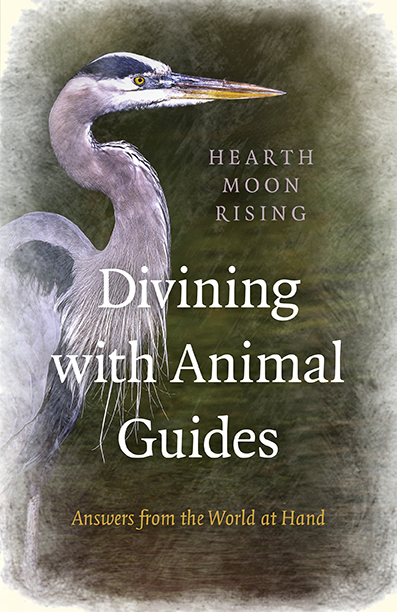
Divining with Animal Guides available for pre-order

Hearth Moon Rising's Blog Posted on November 22, 2017 by Hearth Moon RisingNovember 22, 2017


Step into the next level of understanding in the animal world…

Divining with Animal Guides shines a light on the path you are taking, illuminating the messages, guideposts, and secret codes that mark your interaction with the world around you. Like Invoking Animal Magic, this is a book to be enjoyed as well as referenced, with lots of fun stories, surprising facts, and quirky insights.

To further understanding of animal metaphors, the processes of sight and sound are explored, along with elementary numerology. A framework for understanding animal encounters emerges, along with enhanced ability to recognize important signs.

The book discusses many different types of animals with the goal of generalizing the material, but a few of the ones that are explored in detail are cats, deer, bees, horses, ravens, crocodiles, and scorpions. This is a spiritual text, pulling from Celtic, Norse, Roman, Greek, Slavic, Mesopotamian, and Egyptian traditions. There are over ninety illustrations.

Divining with Animal Guides is your definitive guide for interpreting animal encounters.

Publishing Date: February 23, 2018

Buy on Amazon US

Buy on Amazon UK

Posted in Uncategorized

New Web Page is Up!

Hearth Moon Rising's Blog Posted on June 16, 2017 by Hearth Moon RisingJuly 5, 2017
Balloon Animals

Balloon animals photo Rise Rover/Wikimedia Commons

I have updated the webpage at hearthmoonrising.com and that page will be taking the place of this website (hearthmoonblog.com). All of the material from this blog has been transferred to that site.

You will find the latest blog post if you scroll to the end of the front page. There is a link to previous posts there as well. New material will be posted first to this front page of hearthmoonrising.com.

Why am I changing this page? The obvious reason is to make the page associated with me that is most accessed congruent with my name. There are other reasons, however. This new site is more mobile friendly and can be read more easily on a variety of devices. The new site allows more secure transfer of data, and so I have included a contact form. This is an integrated site that has everything related to my writing and work, and it will eventually replace all my other web pages, making it easier for people to find information.

It has been an intense months-long task to build the new site, and while most of the time and work was on my own computer, transferring the site rather than updating the old address has meant that there was no disruption in the blog.

An innovation that will not be directly obvious to my readers is that this site is designed to be easier to update. I can add and change data without going back and trying to figure out my own code. This should keep the site more up-to-date.

Posted in Uncategorized

Another Personal Update

Hearth Moon Rising's Blog Posted on June 9, 2017 by Hearth Moon RisingJune 8, 2017

My recovery from my knee surgery, almost a month now, continues to go well. I am not hiking yet, but soon, I hope. I have felt swamped with all the work to do getting back in the swing of things. The integrated website is coming along but not quite ready for prime time. This project has definitely taken my attention away from my writing for months now, but promotion is three-quarters of the work these days, so it had to be done.

I did write a longish essay this week, which I plan on offering to another blog. I will post a link here when it’s published.

Posted in Uncategorized

Lost Lookout

Hearth Moon Rising's Blog Posted on June 2, 2017 by Hearth Moon RisingJune 2, 2017

Lost Lookout

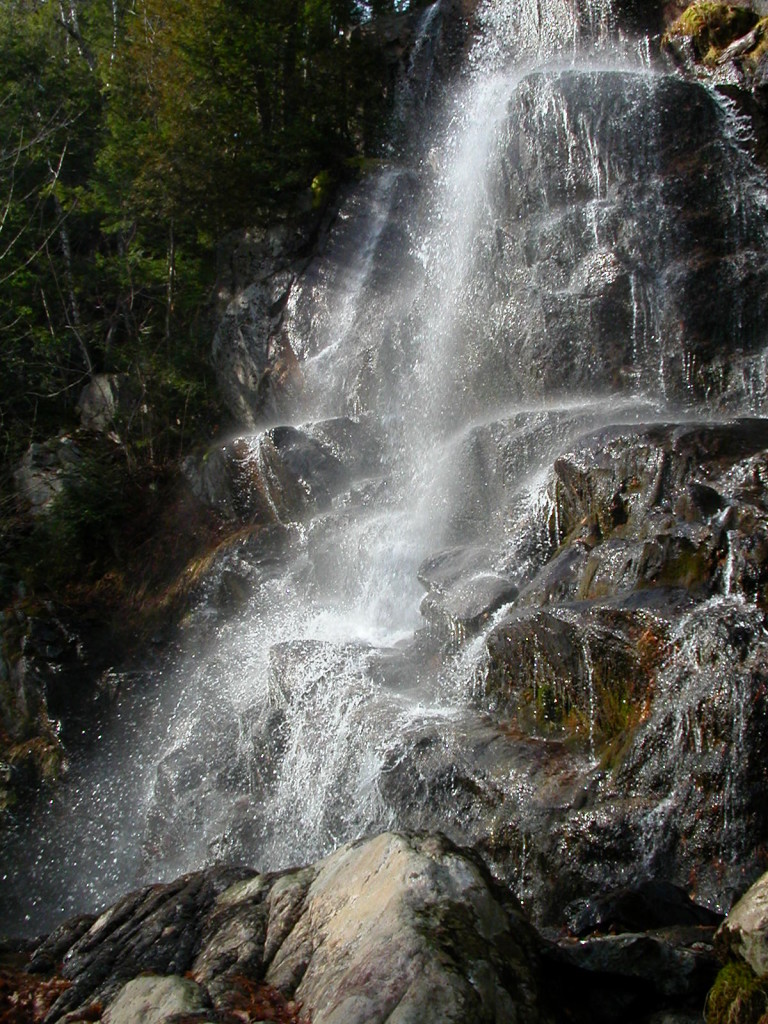
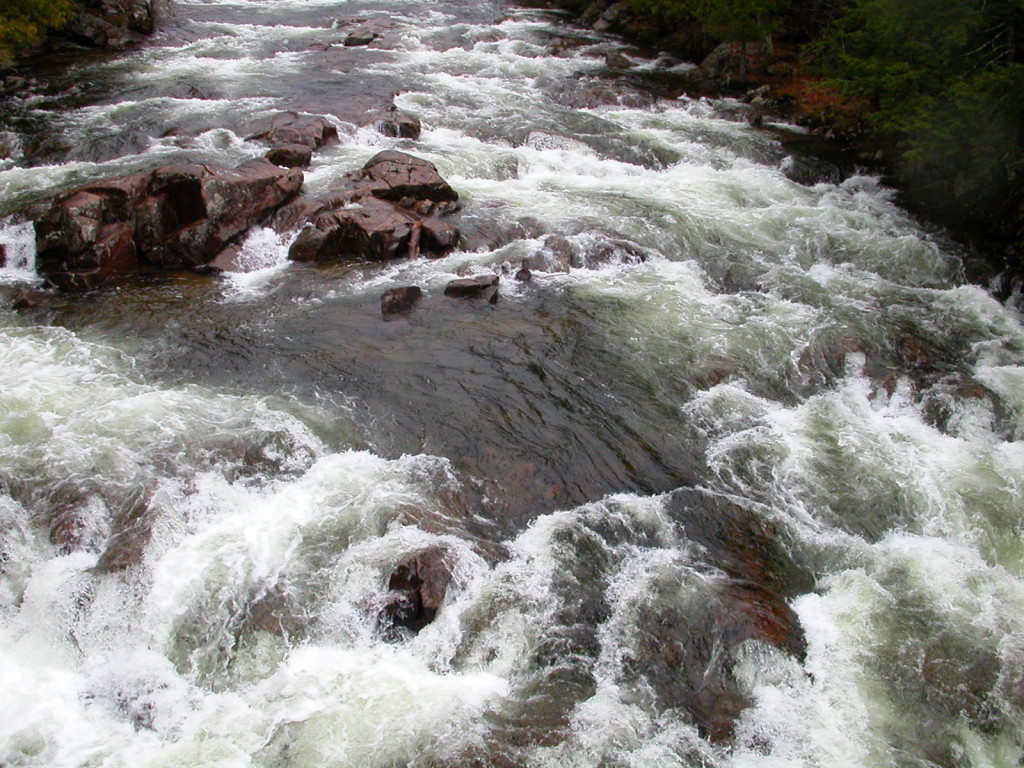
Beaver Meadow Falls


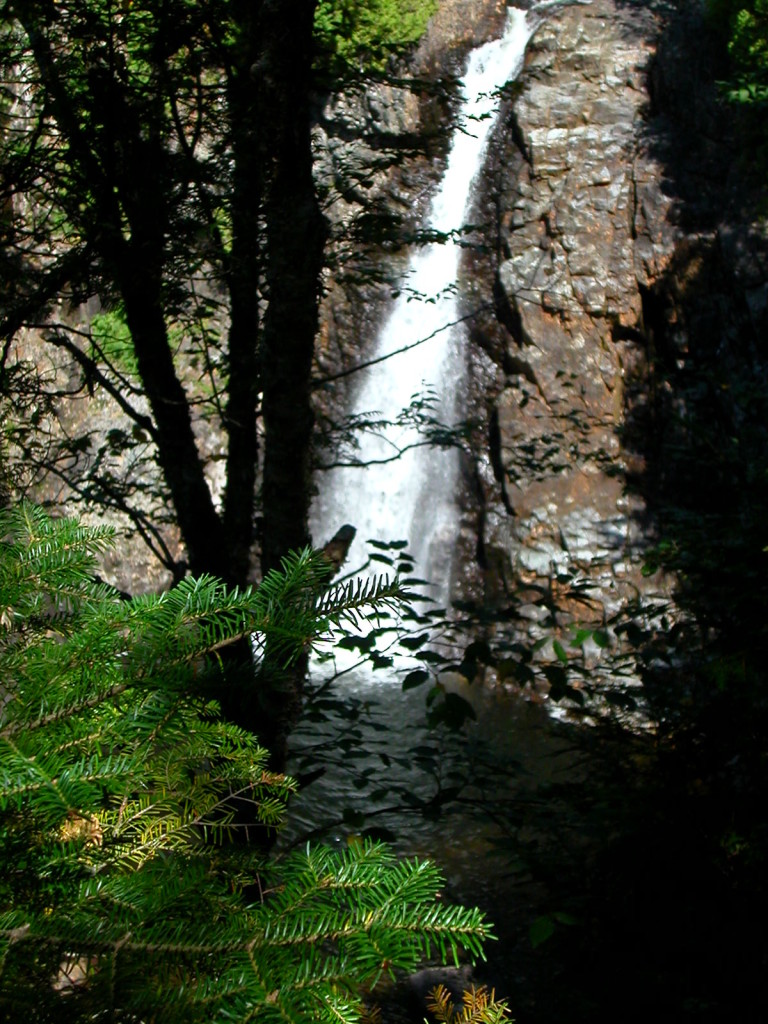
Hanging Spear Falls

Hanging Spear Falls


Rainbow Falls

Rainbow Falls


Hulls Falls

Hulls Falls


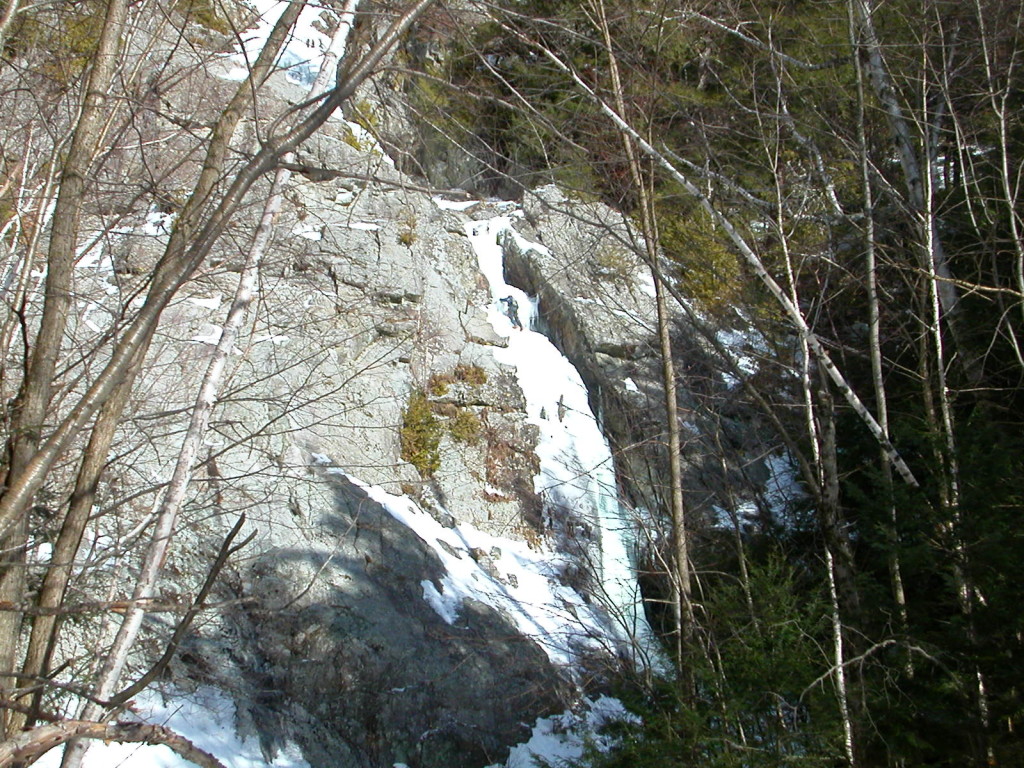
Ice Climbers on Roaring Brook Falls

Ice Climbers on Roaring Brook Falls


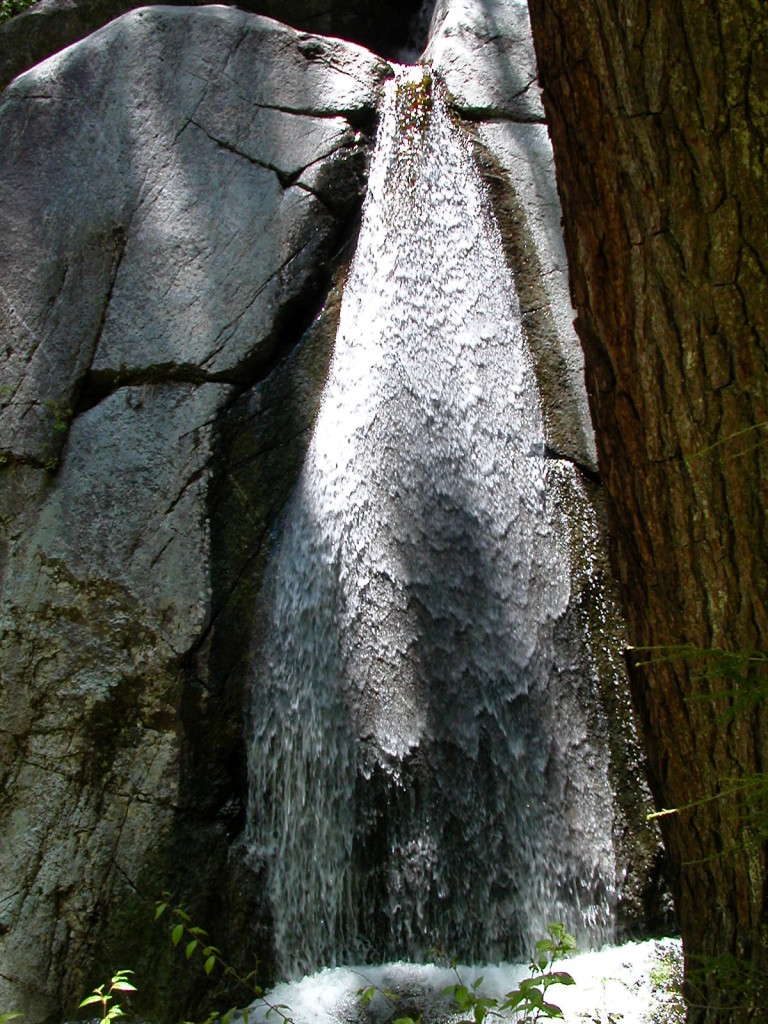
Pyramid Falls

Pyramid Falls


pyramid falls

Posted in Uncategorized

Witches and Pagans: Women in European Folk Religion, 700-1100 (Review)

Hearth Moon Rising's Blog Posted on May 26, 2017 by Hearth Moon RisingMay 26, 2017

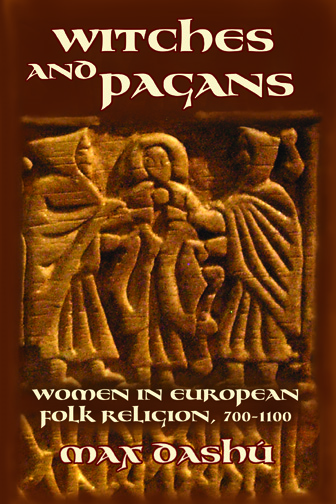
Witches and Pagans coverMax Dashu has posted significant excerpts of her multi volume project on the history of witchcraft at her Suppressed Histories website for years, and publication of her research in book form has been eagerly anticipated. This first installment (which Dashu refers to as Volume VII) covers the years 700 to 1100 – a good choice, because this period is critical to understanding the peak of the witch craze in late medieval and early modern times. This is also a period in European history where not a lot of information is available to the average Pagan.

Dashu is explicit that she is writing for a lay audience, but this is a thoroughly researched and referenced work, with a large bibliography and over a thousand footnotes. There are some readers who will think she excessively belabors her points, but there is so much misinformation out there, often written by slipshod academics and well-intentioned Pagans who rely on these academics, that a solid scholarly work was sorely needed. The conclusions Dashu reaches will not be startling to better informed researchers inside and outside academia, but the weight of evidence on which she bases her findings is gratifying in this highly contentious field. No doubt there are many who will be surprised.

The book utilizes linguistic analysis, place names, archaeology, folk customs documented by clerics, early theological treatises on demonology and witchcraft, and mythology of pagan origin recorded by Christians. Dashu is well aware of the shortcomings of each of these methodologies and discusses them frankly. Still the amount of evidence, from many types of sources, leads to well grounded conclusions. This book mentions in passing some of the biases which hamper academic research on witchcraft, leading to often repeated yet erroneous beliefs that have seeped into Pagan discourse.

Dashu informs us that Pagan beliefs and shamanic practices not only survived well into the Middle Ages in supposedly Christianized regions, they were widespread and deeply adhered to, particularly by the lower classes. Shamanic practices and worship of goddesses and nature deities were equated with witchcraft and devil worship by clerics and formed the basis for persecution. Though trials for malefic sorcery also existed in pagan Rome, the intensity and tone of the Christian persecution was different and significantly broader, including for example healing and divination. Aristocratic government and church leadership were intricately connected and both used dispossession of pagan culture along with persecution of witches as a way of solidifying power. The healers, diviners, and keepers of tribal history known as witches were overwhelmingly female, and witch persecutions were part of a pervasive Church strategy to further subjugate women, who were already dominated by men within their pagan cultures. Dashu firmly establishes that for centuries the targets of the witch hunts were shamans, usually female, and that the purpose of witch persecutions was to establish Christian hegemony and solidify aristocratic power.

Dashu also attempts to piece together what those pagan belief systems and female shamanic practices that were under attack actually were, and here her findings must be treated as incomplete. She focuses a great deal on Germanic cultures, and practitioners of the various Germanic traditions will find a wealth of information here. She discusses the importance of the distaff in women’s mysteries and the Norse practice of “sitting out” to achieve psychic insight. She explores the little that is known about northern European goddesses. She devotes an entire chapter to the important Icelandic poem The Volupsa. This is not, however, a definitive look at any Norse tradition, and really to have attempted that would have taken this book too far afield. I have noticed a tendency in witches in my acquaintance to devote their reading solely to authors like Dashu who approach witchcraft from a solid feminist perspective. There would be nothing wrong with that if there were more Pagan writers with a true understanding of feminist theory, but there are not enough of us around to be so selective. If the material here sparks some new interest you will need to draw from a variety of sources on the runes and Norse literature. I was particularly dismayed to hear a friend say she was inclined to cut out any reference to the god Odin from her practice after reading this book. I am a Dianic priestess, and it is more than okay with me if a woman only wants to worship goddesses, but I think we must remember that male as well as female archetypes become distorted in support of male dominance. It is important that we recognize patriarchal bias in our Pagan heritage, but it is equally important that we do not stop there.

Witches and Pagans is slow reading and cannot be tackled in one or two sittings. Dashu’s writing style is clear and straightforward, but the nature of the material is that it is dense. An index would be helpful. There is a web address for an index in the book which took me to a 404 error page. There are quite a few line drawings in the book which add a great deal to the text. This is a great resource with a lot of helpful information. I hope we will not have to wait too long for the next volume of “The Secret History of the Witches.”

Posted in Feminism, Germanic, Reviews | Tagged Max Dashu, witchcraft

More on Recovery

Hearth Moon Rising's Blog Posted on May 19, 2017 by Hearth Moon RisingMay 19, 2017

My surgery for a torn knee ligament happened last week and went well. I am walking without crutches and healing rapidly. I have been tired and sleeping quite a bit, but I expect to be truly on my feet again within a few weeks.

Posted in Uncategorized

Personal Update

Hearth Moon Rising's Blog Posted on May 12, 2017 by Hearth Moon RisingMay 12, 2017

US Fish and Wildlife

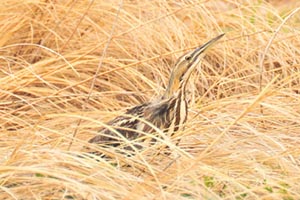
By the time this is published, I will be recovering from surgery for a torn knee ligament. It’s not nearly as big a deal as knee replacement, but I’m not sure what the time frame for my recovery will be. I could be blogging again next week, or I could be as elusive as this bittern.

At any rate, I am looking forward to happier trails. Blessed be.

Posted in Uncategorized

The Holy Beech

Hearth Moon Rising's Blog Posted on May 5, 2017 by Hearth Moon RisingMay 5, 2017

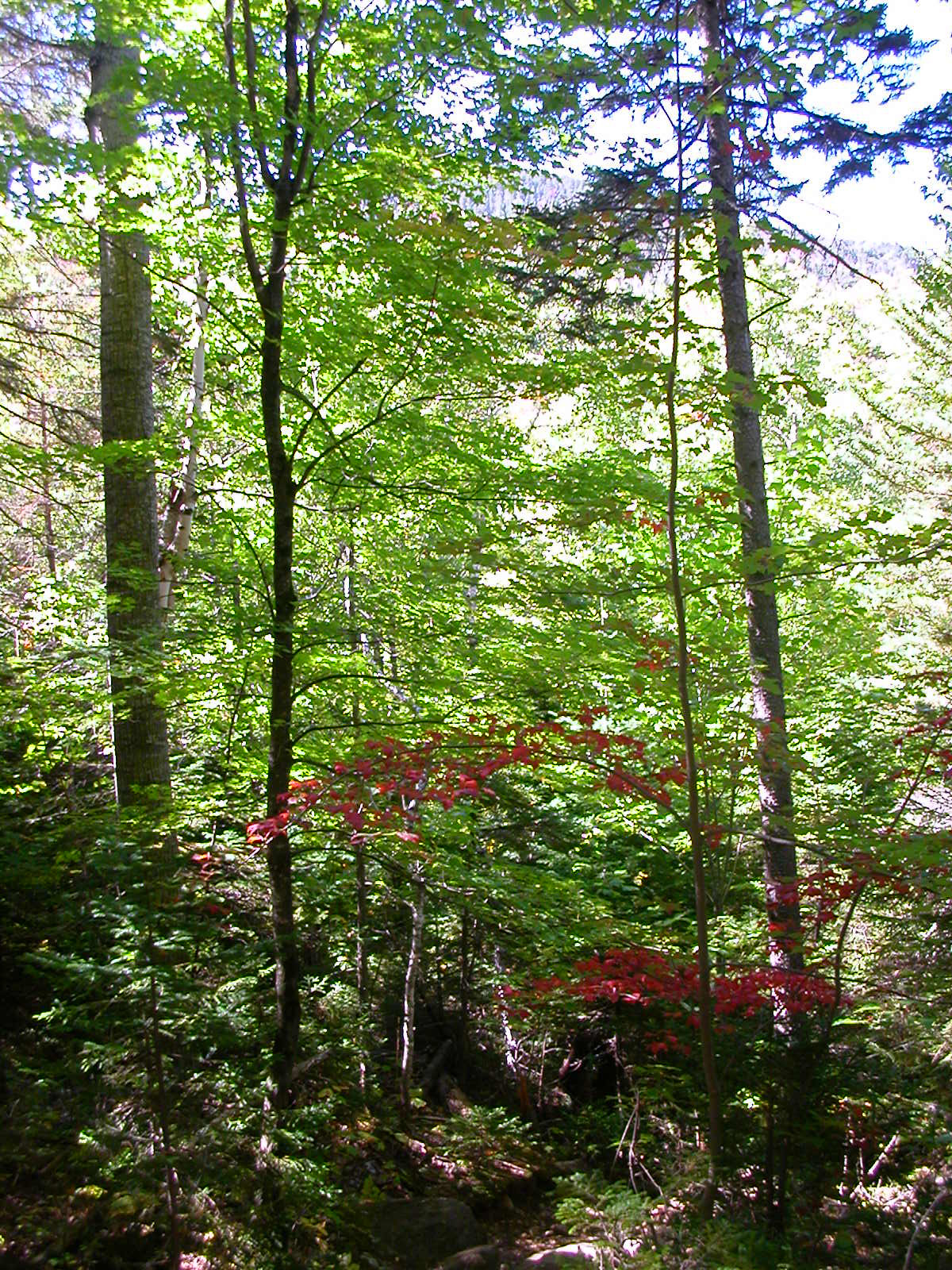
In the mature hardwoods of the Adirondacks, the American Beech reigns supreme. It is a majestic tree, stretching 80 feet or more and providing the dense summer canopy of the forest. The wood of this tree is also dense, and the trunk grows straight, with smooth gray bark. In the fall the golden leaves of the Beech offset the bright red of the many varieties of maple that grow here. While the forests at mid-elevation are described as Beech/Hemlock/Yellow Birch/Sugar Maple forests, it is the Beech that predominates the longer an area of forest is undisturbed.

Forest animals from Red Squirrels to Black Bears depend on the fruit of the Beech for survival. The tree produces two small triangular nuts encased in burry shells. The Beech fulfills a core sustenance role for wildlife played by the White Oak in warmer climates. Like the Oak, the Beech hangs on to its dry leaves throughout the winter, letting go only when spring arrives and its long spear-like buds emerge. The leaves are large, oval, and pointed, with toothed edges. This is a long-lived tree which bides its time in the shade for many years, shooting up quickly when a patch of sunlight emerges as another tree falls.

Though nature enthusiasts prize this beautiful tree, the lumber industry is equivocal about its merits. The wood makes beautiful furniture and durable blond flooring, but the trees themselves are susceptible to various diseases which are hard to recognize uncut. Beech is less desirable as cordwood because the wood takes a long time to season. Mostly the trees are left alone, which is just as well since they fill such an important ecological niche.

American Beech can be thought of as the North American equivalent of European oaks such as the English Oak. Both belong to the Fagaceae family, and according to Robert Graves much religious symbolism associated with the oak was transferred from the Beech, partly because the Beech is not found in Mediterranean climates. The European Beech is equivalent to the American in many ways: it is long lived, tall, shade tolerant, and produces the seeds that animals love. The American Beech is a bit fussier about its growing environment, though, and the European grows faster, so if you live in a North American city the beech tree in your neighborhood may not be a native one.

In German folklore the souls of children waiting to incarnate hung around beech trees, so women would wander around beeches to conceive. Beech wood could not be allowed near a woman in labor, however, or she would have a more difficult time with the birth.

Beech has a strong association with writing. Beech wood tablets were once used as a writing surface, particularly for runic script. The smooth bark of living beech trees continues to be used for carving.

Beech is considered conducive to divination, and it is a recommended wood for wands. I suppose it’s used for wands, rather than staffs, because it is so dense. I recently acquired a prime piece of American Beech, and I’m surprised every time I pick it up by how heavy it is. I am intending to use it as a staff, but I doubt I’ll be able to carry it too far into the woods.

Further Reading:

Dana, “Sacred Tree Profile: American Beech (Fagus Gradiflora) – Magic, Medicine, And Qualities, The Druid’s Garden, July 6, 2015. https://druidgarden.wordpress.com/tag/beech-tree-mythology/

Chris Dunford, “Beech: The Most Beautiful Tree in the Wood,” Nature Explored Photography http://www.nature-explored.com/beech-info.htm

Stan Tekiela, Trees of New York (Cambridge, MN: Adventure Publications, 2006).

Posted in Adirondacks, Trees | Tagged beech

New Post Up at Return to Mago

Hearth Moon Rising's Blog Posted on April 28, 2017 by Hearth Moon RisingApril 28, 2017

Owl Head Brook.

I have a post in this week’s Return to Mago eZine: This Disappearing Leadership, in response to what happened at Fayetteville Goddess Festival. It’s about a need to reflect on power and control tactics being used in the Pagan communities.

Posted in Feminism | Tagged Fayetteville Goddess Festival

Day of Robigus

Hearth Moon Rising's Blog Posted on April 21, 2017 by Hearth Moon RisingApril 21, 2017

Drawing by Martin Cilensek.

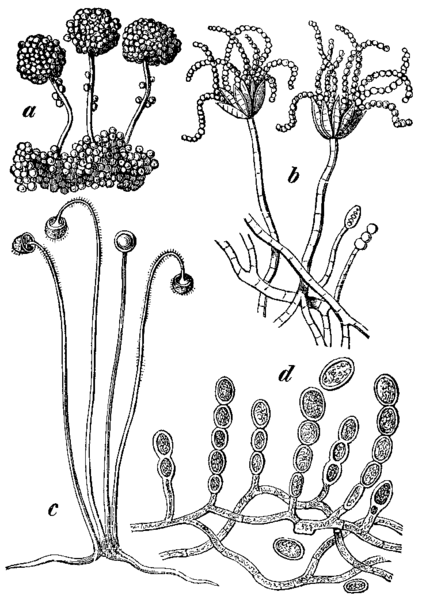
Troubled by bothersome mold and mildew? There’s a god for that! Robigus is the Roman deity of rust and mildew. His honorary day is April 25. Implicit in the worship of deities who rule over things we find abhorrent is the recognition that these things do have a place — just not in our house, please. Pray to Robigus to keep rust off your ritual tools and mildew from you ritual spaces.

Posted in Uncategorized | Tagged mold, Robigus

Post navigation

1 2 3 4 … 32 33 >>

Recent Posts

  • Divining with Animal Guides available for pre-order
  • New Web Page is Up!
  • Another Personal Update
  • Lost Lookout
  • Witches and Pagans: Women in European Folk Religion, 700-1100 (Review)

Archives

  • November 2017
  • June 2017
  • May 2017
  • April 2017
  • March 2017
  • February 2017
  • January 2017
  • December 2016
  • November 2016
  • October 2016
  • September 2016
  • August 2016
  • July 2016
  • June 2016
  • May 2016
  • April 2016
  • March 2016
  • February 2016
  • January 2016
  • December 2015
  • November 2015
  • October 2015
  • September 2015
  • August 2015
  • July 2015
  • June 2015
  • May 2015
  • April 2015
  • March 2015
  • February 2015
  • January 2015
  • December 2014
  • November 2014
  • October 2014
  • September 2014
  • August 2014
  • July 2014
  • June 2014
  • May 2014
  • April 2014
  • March 2014
  • February 2014
  • January 2014
  • December 2013
  • November 2013
  • October 2013
  • September 2013
  • August 2013
  • July 2013
  • June 2013
  • May 2013
  • April 2013
  • March 2013
  • February 2013
  • January 2013
  • December 2012
  • November 2012
  • October 2012
  • September 2012
  • August 2012
  • July 2012
  • June 2012
  • May 2012
  • April 2012
  • March 2012
  • February 2012
  • January 2012

Categories

  • Adirondacks
  • Animals
  • Astrology
  • Buddhism
  • Celtic
  • Egypt
  • Eostre
  • Feminism
  • Germanic
  • Greek
  • Hearth's Books
  • Imbolc
  • Magical Tools
  • Mesopotamia
  • Midsummer
  • Moon
  • Native American
  • Plants
  • Reviews
  • Samhain
  • Stones
  • Tarot
  • Trees
  • Uncategorized
  • weather
  • Yule
© 2012-2017 Hearth Moon Rising
↑